-
AC Circuits for JEE: Impedance, Resonance, and the Phasor Diagram Method

This content provides a comprehensive guide to solving AC circuit problems for JEE Main. It emphasizes understanding resistance, inductance, and capacitance, along with key formulas…
-
Electromagnetic Induction for JEE: Faraday’s Law, Lenz’s Law, and Important Numericals

Electromagnetic induction is crucial for JEE Physics, blending concepts, mathematics, and problem-solving. Key skills include understanding magnetic flux, applying Lenz’s law for current direction, and…
-
Probability for JEE: Conditional Probability, Bayes’ Theorem, and Exam Shortcuts

The guide simplifies probability concepts for JEE, emphasizing the importance of identifying given information in questions. It focuses on conditional probability and Bayes’ theorem, providing…
-
Calculus Applications for JEE: Maxima, Minima, and Rate of Change Problems

Understanding calculus applications for JEE hinges on derivatives, specifically their role in questions involving maxima, minima, and rates of change. This guide details the first…
-
Wave Optics for JEE: Interference, Diffraction, and the YDSE Numericals That Repeat

Wave Optics can be challenging for JEE students due to its formulaic nature. Success relies on understanding concepts like path difference, wavelength changes, and interference…
-
Coordination Compounds for JEE: IUPAC Naming, CFT, and Isomerism Decoded

Coordination Compounds can seem complex due to various interconnected concepts like nomenclature, oxidation states, and isomerism. However, mastering logical sequences and understanding key principles, like…
-
Fluid Mechanics for JEE: Continuity, Bernoulli, and Common Numerical Patterns

Fluid Mechanics for JEE emphasizes understanding concepts over memorization, as students often struggle to apply principles when solving numerical problems. Key focuses include continuity, Bernoulli’s…
-
Permutations and Combinations for JEE: The Logic Behind Counting Problems

Permutations and Combinations in JEE are essential for testing logical reasoning rather than just formula recall. Students must grasp fundamental counting principles, recognize archetypal problems,…
-
Semiconductor Electronics for JEE: Logic Gates, Diodes, and Exam-Ready Problems
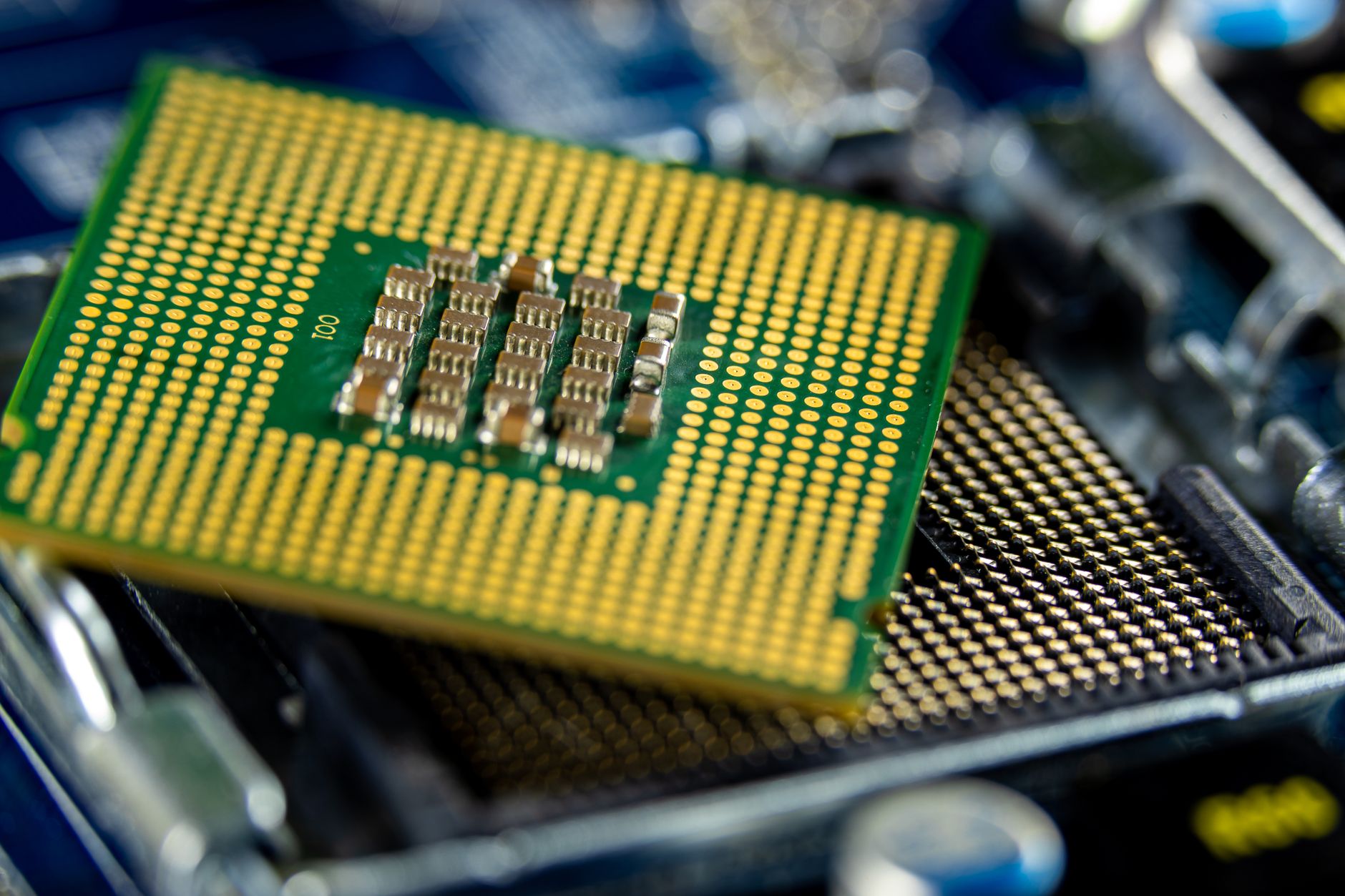
Semiconductor Electronics, while seemingly less significant compared to other physics topics, can greatly impact JEE scores if understood properly. Key concepts include diode biasing, transistor…
-
Chemical Equilibrium for JEE: Le Chatelier’s Principle Applied to Numericals

The article discusses the complexities of Chemical Equilibrium for JEE Chemistry students, emphasizing the importance of understanding dynamic equilibrium rather than mere memorization. It offers…

