

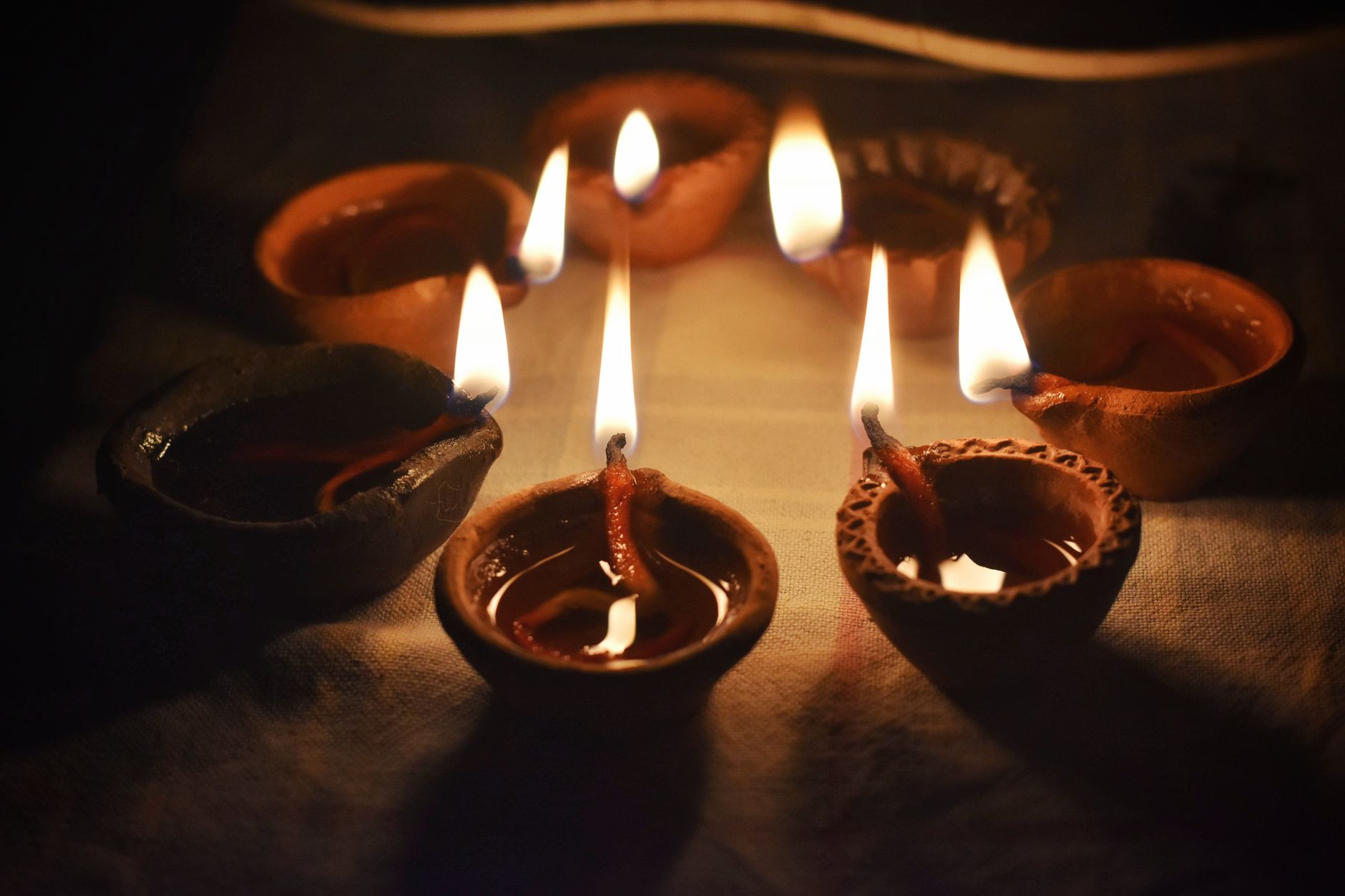
Diwali brings something that competitive-exam students often struggle to give themselves: permission to stop.
For students preparing for JEE, NEET or MHT-CET, however, taking a break can create its own anxiety. You may spend the holiday with family while thinking about unfinished chapters, pending tests and the hours you are “losing.” Some students respond by studying throughout the festival. Others completely abandon their routine and find it difficult to restart afterward.
Neither extreme is necessary.
A well-planned break can give your mind space to recover without turning into several days of academic drift. Rest, sleep and time away from intense problem-solving are not automatically the opposite of preparation. In fact, adequate sleep supports memory consolidation, attention and learning, while deliberate practice itself needs to be balanced with sufficient rest.
The goal this Diwali is simple:
Take a genuine mental break without losing control of your preparation.
Here is a practical three-day framework you can use.
Why Rest Matters During Exam Preparation
Competitive exam preparation is a long process. Students are expected to learn new concepts, solve questions, revise older chapters, take tests, analyse mistakes and keep repeating the cycle for months.
That requires sustained mental effort.
When every day becomes a race to complete more hours, students can confuse being busy with learning effectively.
Rest serves several purposes.
1. Sleep Helps Consolidate Learning
Learning does not stop the moment you close your book.
Research on adolescents has found that sleep after learning can support the consolidation of newly learned information. Studies also show that insufficient sleep can interfere with learning and recall, particularly when students rely on cramming.
This is one reason why sacrificing sleep to create extra study hours is usually a poor long-term strategy.
A holiday can therefore be an opportunity to restore your sleep routine rather than disrupt it.
2. Rest Reduces Continuous Cognitive Load
Solving difficult Physics numericals, remembering Biology facts or working through Chemistry problems requires concentration.
That concentration cannot remain at maximum intensity indefinitely.
The American Psychological Association’s educational guidance notes that deliberate practice is demanding and should be balanced with sufficient periods of rest.
A break does not have to mean doing nothing all day. It means temporarily reducing the intensity of academic work.
3. A Break Can Improve Your Relationship With Studying
If every festival, weekend and holiday becomes another opportunity to feel guilty about studying, preparation can start feeling like punishment.
A controlled break creates a healthier distinction:
Study seriously when it is time to study. Rest properly when it is time to rest.
That mindset becomes particularly valuable as exams approach.
What Makes a Break a Real Break?
A real mental break is not three days of secretly checking your pending chapters every thirty minutes.
It also isn’t three days of completely forgetting that an exam exists.
A useful break has three characteristics:
- Limited academic responsibility
- Good sleep and physical recovery
- A defined return point
You should know exactly when the break begins and when your normal study schedule resumes.
That removes the uncertainty that often turns a short holiday into an unplanned interruption.
The Three-Day Diwali Break Schedule
The following plan is designed for students who want to celebrate Diwali, spend time with family and still return to preparation without feeling completely disconnected.
You can shift the timings according to your family plans.
Day 1: Close the Study Loop
The first day should not begin with a dramatic eight-hour study session.
Instead, spend a short period closing your academic loop.
Morning or early afternoon: 60–90 minutes
Complete only the most important pending tasks.
For example:
- Finish an urgent assignment.
- Review the topics covered immediately before the break.
- Organise unfinished notes.
- Write down pending doubts.
- Check upcoming tests or deadlines.
- Prepare a short list of what needs attention after Diwali.
Do not start a major new chapter simply because you feel guilty about taking a break.
The objective is to leave your study desk with clarity.
Create Your “After Diwali” List
Before putting your books away, write three lists:
Must Do
Tasks that genuinely need attention immediately after the holiday.
Should Do
Tasks that are important but can wait a little.
Can Wait
Tasks that do not need to be carried mentally throughout the break.
This simple exercise prevents your brain from repeatedly reminding you about unfinished work.
Evening: Start the Break
Once your essential academic responsibilities are complete, allow yourself to switch modes.
Celebrate.
Spend time with family.
Meet friends if appropriate.
Help with preparations at home.
Watch something you enjoy.
Go outside.
The important part is not what activity you choose.
The important part is that you stop treating every non-study activity as wasted time.
Day 2: Full Mental Reset
For most students, this should be the most relaxed day.
Avoid creating a hidden study timetable.
You do not need to wake up and immediately solve 50 MCQs just to prove that you are disciplined.
Instead:
Sleep properly.
Eat normally.
Spend time with family.
Move your body.
Enjoy the festival.
Take a genuine break from academic pressure.
If you naturally feel like reading something academic for 15–20 minutes, that is fine. But it should not turn into a compulsory target.
The purpose of Day 2 is recovery.
Remember: the objective is not to maximise the number of productive hours during the holiday. The objective is to return mentally fresher.
Day 3: Gentle Reconnection
Day 3 is your bridge back to normal preparation.
You still have room to enjoy the holiday, but introduce a small amount of academic structure.
Morning: 60–120 Minutes
Choose familiar material rather than difficult new content.
You could:
- Revise important formulas.
- Review Biology diagrams or NCERT-marked points.
- Revisit Chemistry reactions.
- Solve a small set of familiar questions.
- Review mistakes from a previous test.
- Use active recall on recently completed chapters.
The idea is reconnection, not acceleration.
Afternoon: Enjoy the Festival
Once the short academic session is complete, return to your holiday.
This prevents the common mistake of spending the entire final day worrying about the next morning.
Evening: Prepare for Re-entry
Spend 15–20 minutes planning your first normal study day.
Write down:
- First subject
- First chapter or topic
- First question set
- Pending doubt to resolve
- First revision target
- Expected study start time
Do not plan an impossible comeback schedule.
Your first day back should be realistic.
Three-Day Diwali Plan at a Glance
| Day | Academic Work | Main Goal |
|---|---|---|
| Day 1 | 60–90 minutes | Close pending loops |
| Day 2 | Optional/minimal | Complete mental reset |
| Day 3 | 60–120 minutes | Reconnect with studies |
| After Diwali | Normal schedule | Return to full preparation |
The exact hours are less important than the structure.
What You Should Not Do During the Break
A break can fail in two opposite ways.
Mistake 1: Studying the Entire Holiday
You tell yourself:
“I’ll just study for two hours.”
Then two hours becomes five.
You skip family time, sleep late and continue thinking about unfinished chapters.
That is not a meaningful break.
Mistake 2: Turning Three Days Into Ten
The opposite problem is also common.
One relaxed day becomes another.
Then the student thinks:
“I’ll restart tomorrow.”
Suddenly the holiday is over, and the study routine has disappeared.
The solution is simple:
Set the restart date before the break begins.
Mistake 3: Sleeping at Completely Different Times
Staying up extremely late because there is no class the next morning can make the return to routine unnecessarily difficult.
Try to keep your sleep schedule reasonably consistent.
Sleep quality and duration are associated with better academic performance, and sleep also plays an important role in memory and cognitive functioning.
Mistake 4: Comparing Your Break With Other Students
You may see someone posting:
“Completed 12 chapters this Diwali!”
Another student may post:
“Studied 10 hours every day!”
Do not build your schedule around someone else’s social media update.
Your preparation should be based on your syllabus, current performance, upcoming tests and actual weaknesses.
The Post-Holiday Re-Entry Plan
The hardest part is often not taking the break.
It is returning from it.
The first day back should therefore be designed carefully.
Step 1: Start With a Familiar Topic
Do not make your first session back an extremely difficult chapter you have been avoiding for weeks.
Start with something familiar.
This gives your brain a smoother transition into focused work.
Step 2: Use a Short First Session
Your first session does not need to be three hours.
Try:
45–60 minutes of focused study → short break → second session
Once your concentration returns, increase the duration naturally.
Step 3: Review Before Starting New Material
Spend part of the first session reviewing what you studied before Diwali.
This creates continuity.
For example:
Physics: formulas + 5–10 questions
Chemistry: reactions/concepts + short practice set
Mathematics: previously solved problem types
Biology: active recall + NCERT-based revision
The goal is to reactivate your previous learning before adding more information.
Step 4: Identify Your First Three Priorities
Do not return with a list of twenty tasks.
Choose three.
For example:
- Complete pending Physics assignment.
- Revise the last Chemistry chapter.
- Solve the scheduled Biology question set.
Once these are complete, move to the next tasks.
Step 5: Resume Your Normal Timetable
Your first day back should reconnect you to the timetable you were following before Diwali.
If the timetable was unrealistic, however, adjust it.
A sustainable timetable should include realistic study blocks, revision time and flexibility rather than filling every hour.
A Simple 24-Hour Re-Entry Formula
If you are struggling to restart, use this sequence:
Wake up → normal routine → familiar revision → practice questions → analyse mistakes → short break → planned new topic → evening review → sleep on time
Do not try to compensate for three days of rest by studying until midnight.
You are not behind because you rested.
You become behind when you repeatedly fail to return to the plan.
How to Handle Guilt After the Holiday
This is especially important for serious aspirants.
You may sit at your desk on the first day back and think:
“I wasted three days.”
Stop there.
Three days of controlled rest do not define your preparation.
What matters is what happens next.
Replace:
“I lost three days.”
with:
“The break is over. What is the next useful thing I can do?”
That shift turns guilt into action.
Your Diwali Break Checklist
Before the break:
- Complete urgent academic work
- List pending doubts
- Check upcoming tests
- Decide your restart date
- Prepare your first-day study plan
During the break:
- Sleep properly
- Spend time with family
- Take a genuine mental break
- Avoid unnecessary academic guilt
- Keep your routine from becoming completely chaotic
Before returning:
- Choose your first three priorities
- Review familiar topics
- Prepare your study desk/material
- Set a realistic first-day schedule
- Sleep on time
Build a Sustainable Preparation Rhythm
Diwali is only one example of a larger lesson in competitive-exam preparation.
You cannot treat preparation as a cycle of maximum effort → exhaustion → complete shutdown → guilt → maximum effort.
A better cycle is:
Focused study → planned recovery → review → focused study
Students who maintain this rhythm are better positioned to sustain preparation over months.
You can also connect your post-Diwali plan with a realistic weekly timetable rather than creating a completely new schedule from scratch. A structured weekly revision system can also help you revisit previously studied material and identify weak areas before they accumulate.
Final Takeaway
Taking a break during Diwali does not mean taking a break from your goals.
It means giving yourself enough space to return to those goals with better energy and focus.
You do not need to choose between celebrating Diwali and being a serious aspirant.
Plan the break.
Close your urgent academic loops.
Rest properly.
Spend time with the people around you.
Then return on the date you decided.
The strongest preparation is not the one that never pauses.
It is the one that knows when to work, when to recover and how to restart.
Frequently Asked Questions
1. Can JEE, NEET and MHT-CET students take a Diwali break?
Yes. A short, planned break can be incorporated into a long-term preparation schedule. The key is to define its duration and return to your routine afterward.
2. Should I study during my Diwali holidays?
You can include a small amount of light revision if it helps you stay connected. However, you do not need to turn every holiday into a full study day.
3. Is three days too long for a break during competitive exam preparation?
Not necessarily. The appropriate break depends on your academic schedule, upcoming tests and preparation level. A defined three-day break is very different from an indefinite pause.
4. Should I revise before or after Diwali?
Ideally, do a short review before the break and another light revision session on the final day. This creates continuity without taking away the purpose of the holiday.
5. What should I study on the first day after Diwali?
Start with a familiar topic or recently completed chapter. Use revision and a small practice set before moving into demanding new material.
6. What if I feel guilty for taking a break?
Remind yourself that the break was planned. Instead of calculating how many hours you did not study, focus on the next task in your preparation schedule.
7. Should I follow my normal sleep schedule during Diwali?
Try to keep your sleep reasonably consistent. Major changes in sleep timing can make returning to your academic routine harder, while adequate sleep supports learning and memory.
8. How can I avoid losing momentum after the holidays?
Decide your restart date and first three study priorities before the break begins. Your first day back should be structured but manageable rather than an attempt to compensate for the entire holiday.
Internal Links Used:
- How to Build a Weekly Study Timetable You Will Actually Follow for JEE & NEET
- Weekly Revision System for Better Retention
External Links Used:
Leave a Reply