

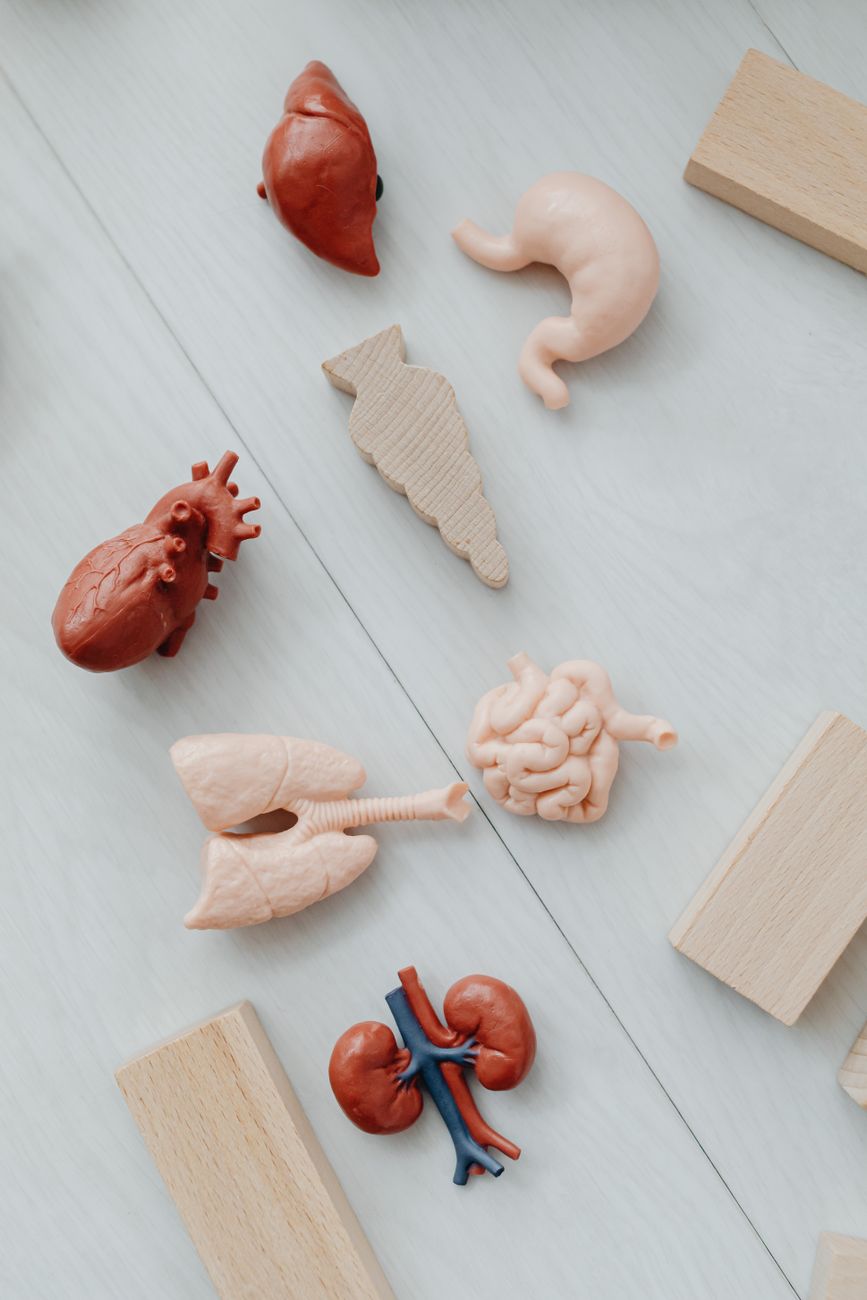
The human endocrine system is an important topic in Biology for NEET aspirants because it connects hormone secretion, physiological regulation, feedback mechanisms, and clinical conditions. Students may remember gland names and hormone functions but still struggle when a question describes symptoms, changes in hormone levels, or an unfamiliar feedback loop.
The most effective way to study the human endocrine system is to connect three things: the gland that secretes a hormone, the effect of that hormone, and the mechanism that regulates its secretion. Once these relationships become clear, questions on endocrine disorders and hormonal feedback become easier to approach.
This guide covers the major endocrine glands, positive and negative feedback, commonly tested disorders, and 15 practice MCQs with answers and explanations.
1. What Is the Human Endocrine System?
The endocrine system consists of glands and specialised cells that release hormones. Hormones are chemical messengers transported through body fluids, usually blood, to target cells or organs that possess the appropriate receptors.
Unlike exocrine glands, which release their secretions through ducts, endocrine glands are ductless. Their hormones help regulate growth, metabolism, reproduction, water and electrolyte balance, stress responses, and other physiological processes.
The hypothalamus, pituitary, pineal, thyroid, parathyroids, thymus, adrenal glands, pancreas, testes, and ovaries are important structures to study for NEET.
Why Is Hormonal Regulation Important?
Hormone secretion must be regulated carefully. Too little or too much of a hormone can disturb normal body functions. Feedback mechanisms help maintain suitable hormone levels, while interactions between glands coordinate complex physiological activities.
For NEET, focus on:
- The gland responsible for each hormone.
- The primary physiological effect of that hormone.
- The relationship between the hypothalamus, pituitary, and target glands.
- The differences between positive and negative feedback.
- The hormone-related disorders commonly described in questions.
2. Gland–Hormone–Effect Table for NEET
Use the following table for rapid revision. Learn the relationship between each gland, its hormone, and the hormone’s main function rather than memorising isolated names.
| Endocrine gland or organ | Major hormone(s) | Main effect |
|---|---|---|
| Hypothalamus | Releasing and inhibiting hormones | Regulates anterior pituitary secretion |
| Anterior pituitary | GH | Promotes body growth |
| Anterior pituitary | TSH | Stimulates thyroid hormone secretion |
| Anterior pituitary | ACTH | Stimulates the adrenal cortex |
| Anterior pituitary | FSH and LH | Regulate reproductive functions |
| Anterior pituitary | Prolactin | Supports milk production |
| Posterior pituitary | ADH and oxytocin, released into blood | ADH promotes water reabsorption; oxytocin supports uterine contractions and milk ejection |
| Pineal gland | Melatonin | Helps regulate circadian rhythms |
| Thyroid gland | T3 and T4 | Increase metabolic activity and support growth and development |
| Thyroid gland | Calcitonin | Helps lower blood calcium levels |
| Parathyroid glands | PTH | Raises blood calcium levels |
| Thymus | Thymosins | Support T-lymphocyte development |
| Adrenal cortex | Cortisol | Supports stress responses and metabolism |
| Adrenal cortex | Aldosterone | Increases sodium reabsorption and potassium excretion by the kidneys |
| Adrenal medulla | Adrenaline and noradrenaline | Support fight-or-flight responses |
| Pancreatic beta cells | Insulin | Lowers blood glucose |
| Pancreatic alpha cells | Glucagon | Raises blood glucose |
| Testes | Testosterone | Supports male reproductive development and functions |
| Ovaries | Oestrogens | Support female reproductive development and functions |
| Ovaries | Progesterone | Helps prepare and maintain the uterine lining during the reproductive cycle and pregnancy |
NEET revision tip: The posterior pituitary stores and releases ADH and oxytocin that are synthesised in the hypothalamus. Do not confuse the site of hormone synthesis with the site of release.
3. Positive vs Negative Feedback Mechanisms
Feedback mechanisms regulate hormone secretion according to the body’s requirements. Understanding the direction of the response is more useful than memorising the names alone.
Negative Feedback
Negative feedback occurs when a response reduces the original stimulus or inhibits further hormone secretion. It is a major mechanism for maintaining physiological stability.
Example: Regulation of thyroid hormones
- The hypothalamus releases thyrotropin-releasing hormone (TRH).
- TRH stimulates the anterior pituitary to release thyroid-stimulating hormone (TSH).
- TSH stimulates the thyroid gland to release T3 and T4.
- As T3 and T4 levels rise, they inhibit TRH and TSH secretion.
This prevents excessive stimulation of the thyroid gland.
Other examples: Rising blood glucose stimulates insulin secretion, and insulin helps lower blood glucose. As glucose returns towards its normal range, the stimulus for further insulin release decreases.
Positive Feedback
Positive feedback occurs when the response strengthens the original stimulus, amplifying a process until a particular event or endpoint is reached.
Example: Oxytocin during childbirth
- The baby’s head stretches the cervix.
- Nerve signals promote oxytocin release.
- Oxytocin increases the strength of uterine contractions.
- Stronger contractions increase cervical stretching.
- This stimulates further oxytocin release.
The cycle continues until childbirth is completed.
Comparison: Positive vs Negative Feedback
| Feature | Negative feedback | Positive feedback |
|---|---|---|
| Effect on original stimulus | Reduces or counteracts it | Amplifies it |
| Main role | Maintains stability | Drives a process towards an endpoint |
| Common example | Thyroid hormone regulation | Oxytocin during childbirth |
| Typical outcome | Hormone levels move towards a regulated range | Response intensifies until the process ends |
Common NEET trap: Positive feedback does not simply mean a beneficial response, and negative feedback does not mean a harmful response. The terms describe how the response affects the original stimulus.
4. Human Endocrine Disorders: Identification Practice
Disorder-based questions often provide symptoms, a hormone imbalance, or a gland abnormality. Identify the hormone involved before selecting the condition.
| Disorder or condition | Hormonal association | Typical clue |
|---|---|---|
| Diabetes mellitus | Insufficient insulin secretion or impaired insulin action | Persistent high blood glucose |
| Diabetes insipidus | ADH deficiency or impaired response to ADH | Excessive dilute urine and thirst |
| Hypothyroidism | Inadequate thyroid hormone action | Slowed metabolism; symptoms can include fatigue and weight gain |
| Hyperthyroidism | Excess thyroid hormone action | Increased metabolism; symptoms can include heat intolerance and weight loss |
| Goitre | Enlargement of the thyroid gland; multiple causes | Visible enlargement in the neck |
| Cretinism, a historical term for severe congenital hypothyroidism | Thyroid hormone deficiency during early development | Impaired growth and neurological development if untreated |
| Myxoedema, a historical clinical term for severe hypothyroidism in adults | Marked thyroid hormone deficiency | Slowed physiological activity and characteristic tissue changes |
| Gigantism | Excess growth hormone before epiphyseal plates close | Excessive linear growth |
| Acromegaly | Excess growth hormone after epiphyseal plates close | Enlargement of hands, feet, and facial features |
| Dwarfism due to pituitary GH deficiency | Insufficient growth hormone during childhood | Reduced linear growth |
| Addison’s disease | Adrenal cortical insufficiency | May involve weakness, low blood pressure, and altered electrolyte balance |
| Cushing syndrome | Prolonged excessive glucocorticoid exposure or cortisol excess | May involve central weight gain, muscle weakness, and elevated blood glucose |
| Tetany associated with hypocalcaemia | Low blood calcium, sometimes due to reduced PTH | Muscle spasms or increased neuromuscular excitability |
The table describes common associations, not complete diagnostic criteria. Several disorders have multiple causes, and symptoms alone cannot establish a medical diagnosis.
How to Solve Disorder-Based MCQs
Use a three-step approach:
Step 1: Identify the affected function. Is the question about glucose, water balance, growth, metabolism, calcium, or stress?
Step 2: Match the function to the hormone. For example, insulin is associated with glucose regulation, ADH with water balance, and growth hormone with linear growth.
Step 3: Determine the likely imbalance. Decide whether secretion or hormone action is deficient or excessive, then match it to the disorder.
For example, a child with excessive linear growth and excess growth hormone before epiphyseal closure suggests gigantism. Excess growth hormone in an adult after epiphyseal closure instead suggests acromegaly.
5. Hormonal Axes and Feedback Loops
Some endocrine questions test relationships between multiple glands rather than one hormone in isolation.
Hypothalamus–Pituitary–Thyroid Axis
The hypothalamus releases TRH, which stimulates the anterior pituitary to secrete TSH. TSH then stimulates the thyroid gland to release T3 and T4. Rising thyroid hormone levels generally suppress TRH and TSH through negative feedback.
Hypothalamus–Pituitary–Adrenal Axis
The hypothalamus releases corticotropin-releasing hormone (CRH), which stimulates ACTH secretion from the anterior pituitary. ACTH stimulates the adrenal cortex to produce cortisol. Cortisol provides negative feedback to the hypothalamus and pituitary.
Blood Glucose Regulation
When blood glucose rises, pancreatic beta cells secrete insulin. Insulin promotes glucose uptake in responsive tissues and supports storage of glucose, helping lower blood glucose. When blood glucose falls, pancreatic alpha cells release glucagon, which stimulates processes that raise blood glucose, particularly in the liver.
Remember that insulin and glucagon are not simply opposing switches: their actions involve multiple tissues and metabolic pathways.
6. Fifteen Key NEET-Style MCQs on the Human Endocrine System
Attempt these questions before checking the answers. Each question has one best answer.
Question 1
Which hormone is released by the anterior pituitary to stimulate the thyroid gland?
A. TRH
B. TSH
C. Thyroxine
D. Calcitonin
Question 2
Which of the following is a classic example of positive feedback?
A. Inhibition of TSH secretion by thyroid hormones
B. Reduction of blood glucose by insulin
C. Oxytocin-mediated strengthening of uterine contractions during childbirth
D. Suppression of ACTH by cortisol
Question 3
A patient produces large quantities of dilute urine and experiences excessive thirst. Deficiency of which hormone may cause this condition?
A. Insulin
B. ADH
C. Aldosterone
D. Glucagon
Question 4
Which pancreatic cells secrete insulin?
A. Alpha cells
B. Beta cells
C. Delta cells
D. Acinar cells
Question 5
Excess secretion of growth hormone during childhood, before the epiphyseal plates close, may lead to:
A. Acromegaly
B. Gigantism
C. Myxoedema
D. Addison’s disease
Question 6
Which hormone primarily increases blood calcium levels?
A. Calcitonin
B. Parathyroid hormone
C. Insulin
D. Melatonin
Question 7
Which statement correctly describes negative feedback in the hypothalamus–pituitary–thyroid axis?
A. T3 and T4 stimulate unlimited TSH secretion
B. TSH directly inhibits the hypothalamus without thyroid hormones being involved
C. Rising T3 and T4 levels inhibit TRH and TSH secretion
D. The thyroid gland stops responding to every stimulus permanently
Question 8
A deficiency of insulin or impaired insulin action is associated with:
A. Diabetes insipidus
B. Diabetes mellitus
C. Addison’s disease
D. Acromegaly
Question 9
Which hormone is secreted by the adrenal medulla and contributes to the fight-or-flight response?
A. Cortisol
B. Aldosterone
C. Adrenaline
D. Thyroxine
Question 10
Which hormone is synthesised in the hypothalamus and released into the bloodstream from the posterior pituitary?
A. TSH
B. ACTH
C. ADH
D. GH
Question 11
A patient has an enlarged thyroid gland. Which term describes this structural finding?
A. Goitre
B. Tetany
C. Acromegaly
D. Gigantism
Question 12
Which hormone from the adrenal cortex promotes sodium reabsorption by the kidneys and supports potassium excretion?
A. Adrenaline
B. Aldosterone
C. Melatonin
D. Prolactin
Question 13
Which condition is associated with excess growth hormone secretion after epiphyseal plates have closed?
A. Pituitary dwarfism
B. Gigantism
C. Acromegaly
D. Diabetes insipidus
Question 14
Which hormone is released by pancreatic alpha cells and helps raise blood glucose levels?
A. Insulin
B. Glucagon
C. Oxytocin
D. Calcitonin
Question 15
Which of the following pairs is correctly matched?
A. Pineal gland — insulin
B. Parathyroid gland — PTH
C. Adrenal medulla — aldosterone
D. Anterior pituitary — melatonin
7. Answer Key with Explanations
| Q. | Answer | Explanation |
|---|---|---|
| 1 | B — TSH | Thyroid-stimulating hormone is secreted by the anterior pituitary and stimulates the thyroid gland. |
| 2 | C — Oxytocin | Oxytocin strengthens uterine contractions, which increase cervical stretching and promote further oxytocin release. |
| 3 | B — ADH | ADH promotes water reabsorption by the kidneys. Deficiency can cause diabetes insipidus. |
| 4 | B — Beta cells | Pancreatic beta cells secrete insulin. Alpha cells secrete glucagon. |
| 5 | B — Gigantism | Excess growth hormone before epiphyseal closure increases linear growth. |
| 6 | B — Parathyroid hormone | PTH raises blood calcium levels through effects on bone, kidneys, and vitamin D activation. |
| 7 | C — Rising T3 and T4 inhibit TRH and TSH | This negative feedback helps regulate thyroid hormone secretion. |
| 8 | B — Diabetes mellitus | Diabetes mellitus involves high blood glucose due to problems with insulin secretion, insulin action, or both. |
| 9 | C — Adrenaline | The adrenal medulla releases adrenaline and noradrenaline during sympathetic activation. |
| 10 | C — ADH | ADH is synthesised in the hypothalamus and stored and released by the posterior pituitary. |
| 11 | A — Goitre | Goitre means enlargement of the thyroid gland; it can have several causes. |
| 12 | B — Aldosterone | Aldosterone acts on the kidneys to increase sodium reabsorption and promote potassium excretion. |
| 13 | C — Acromegaly | Excess growth hormone after epiphyseal closure causes enlargement of certain bones and soft tissues. |
| 14 | B — Glucagon | Glucagon is secreted by pancreatic alpha cells and helps raise blood glucose, especially through its action on the liver. |
| 15 | B — Parathyroid gland and PTH | Parathyroid hormone is produced by the parathyroid glands and helps regulate calcium balance. |
8. Common Mistakes to Avoid in NEET
- Confusing diabetes mellitus with diabetes insipidus: the first involves glucose regulation; the second involves water balance and ADH action.
- Mixing up gigantism and acromegaly: the key distinction is whether excess growth hormone acts before or after epiphyseal closure.
- Reversing PTH and calcitonin: PTH raises blood calcium, while calcitonin can lower it.
- Calling every feedback mechanism negative: childbirth-related oxytocin release is a classic positive-feedback example.
- Confusing hormone synthesis with release: ADH and oxytocin are synthesised in the hypothalamus but released through the posterior pituitary.
- Assuming every thyroid enlargement means iodine deficiency: goitre has multiple possible causes.
- Memorising disorders without the underlying hormone: identifying the physiological function first makes unfamiliar question wording easier to solve.
9. A Practical Revision Plan for the Endocrine System
Use this short revision cycle after studying the chapter:
- First 10 minutes: Reproduce the gland–hormone–effect table from memory.
- Next 10 minutes: Draw the thyroid and adrenal feedback axes using arrows.
- Next 10 minutes: Revise disorder pairs, especially diabetes mellitus versus diabetes insipidus and gigantism versus acromegaly.
- Next 15 minutes: Attempt all 15 MCQs without looking at the answer key.
- Final 5 minutes: Review every incorrect answer and write down the specific confusion that caused the mistake.
Revisit the questions you missed after a day or two. Focus on explaining why the correct option is right and why the closest distractor is wrong.
Frequently Asked Questions
1. What should NEET students focus on in the human endocrine system?
Focus on endocrine glands, their hormones and functions, feedback mechanisms, hormone synthesis and release, and common endocrine disorders. Practise questions that connect symptoms with hormone imbalances.
2. What is the difference between positive and negative feedback?
Negative feedback counteracts the original stimulus and helps maintain stability. Positive feedback amplifies the original stimulus until a process reaches its endpoint.
3. Is childbirth an example of positive feedback?
Yes. Cervical stretching promotes oxytocin release, oxytocin strengthens uterine contractions, and stronger contractions increase cervical stretching until childbirth is completed.
4. What is the difference between diabetes mellitus and diabetes insipidus?
Diabetes mellitus involves impaired insulin secretion or action and is associated with high blood glucose. Diabetes insipidus involves deficient ADH secretion or impaired kidney response to ADH and is associated with excessive dilute urine.
5. How can gigantism and acromegaly be distinguished?
Both are associated with excess growth hormone. Gigantism develops before epiphyseal closure and causes excessive linear growth. Acromegaly develops after epiphyseal closure and causes enlargement of hands, feet, facial features, and other tissues.
6. Which hormone raises blood calcium levels?
Parathyroid hormone (PTH) raises blood calcium levels. Calcitonin, secreted by the thyroid gland, can lower blood calcium levels.
7. Is ADH secreted by the hypothalamus or the pituitary gland?
ADH is synthesised in the hypothalamus, transported to the posterior pituitary, and released into the bloodstream from there.
8. How should students prepare for endocrine disorder MCQs?
Identify the affected physiological function, match it to the relevant hormone, and determine whether hormone secretion or action is excessive or deficient. Then distinguish conditions with similar symptoms.
9. How can students remember endocrine glands and their hormones?
Use a three-column table listing the gland, hormone, and primary effect. Test yourself by covering each column and recalling the missing information.
10. How often should students revise this chapter?
A practical approach is to revise it shortly after the first study session, revisit incorrect MCQs after one or two days, and include the chapter in later mixed Biology practice. Adjust the schedule according to your accuracy and retention.
Conclusion
The human endocrine system becomes easier to revise when hormone functions, feedback loops, and disorders are studied together. Begin with the gland–hormone–effect table, understand how negative and positive feedback differ, and use disorder clues to identify the likely hormonal imbalance.
Complete the 15 MCQs under timed conditions and revisit the explanations for every incorrect response. Consistent active recall and careful analysis of mistakes can help strengthen your understanding of this chapter for NEET Biology.
Leave a Reply